Founded on family values and a strong work ethic, the business traces back to Peter and Jean Wright’s parents who were both farmers in Elston and Sibthorpe (respectively) in Nottinghamshire. After getting married They initially rented 50 acres of land milking cows and growing veg, which laid the foundations for what would become a multi-generational business.
Soon after, in 1955, the family moved to a county council farm in Westborough and the farming operation began to grow. A defining moment came in 1962, when the family secured a tenancy at Gopsall House Farm, Twycross — a place that remains at the heart of the business to this day.
Through dedication, skill, and a reputation for high-quality farming, the business steadily expanded. Additional land was acquired, and opportunities arose to take on additional tenanted land, allowing the operation to grow beyond its original footprint.
The transport side of the business began in 1966 with the purchase of the first lorry – The AEC. Initially used to deliver homegrown produce such as potatoes and cabbages to major markets including Birmingham and London, the vehicle also collected seed potatoes from South Wales. As demand increased, so did the fleet, with additional vehicles — including Atkinsons and Albion articulated lorries — joining the business.
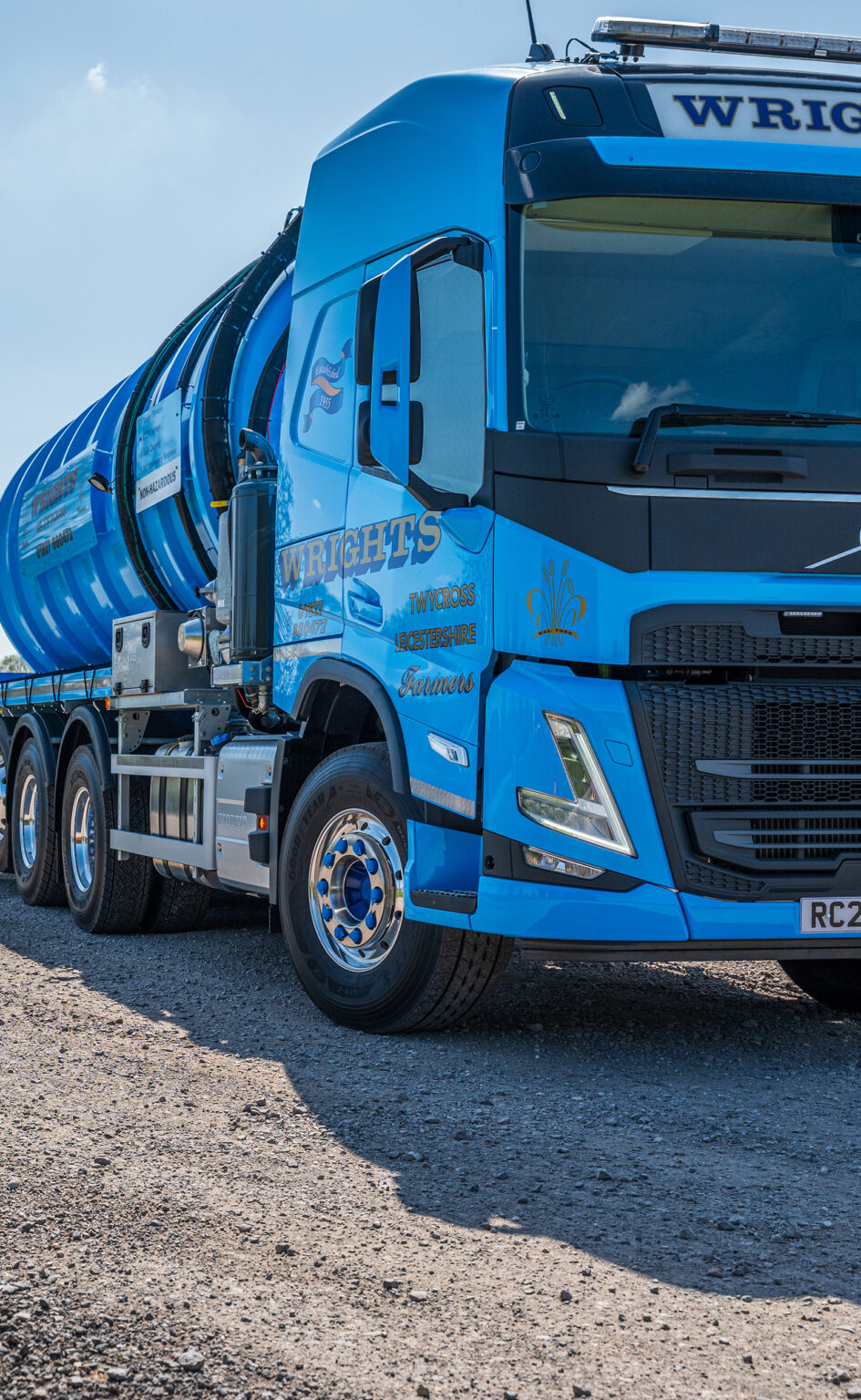
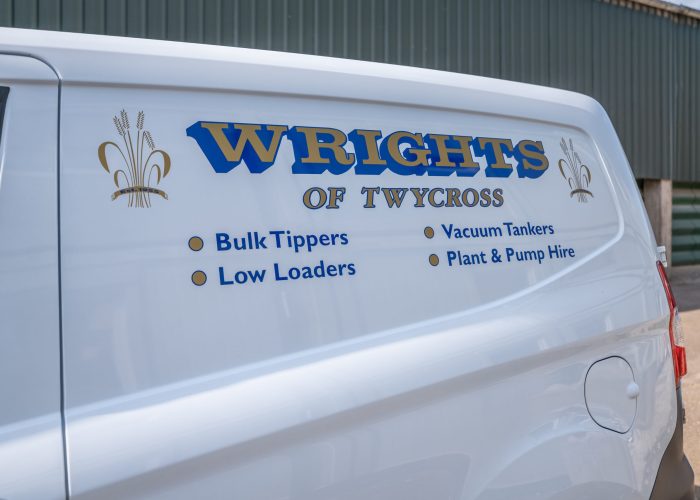
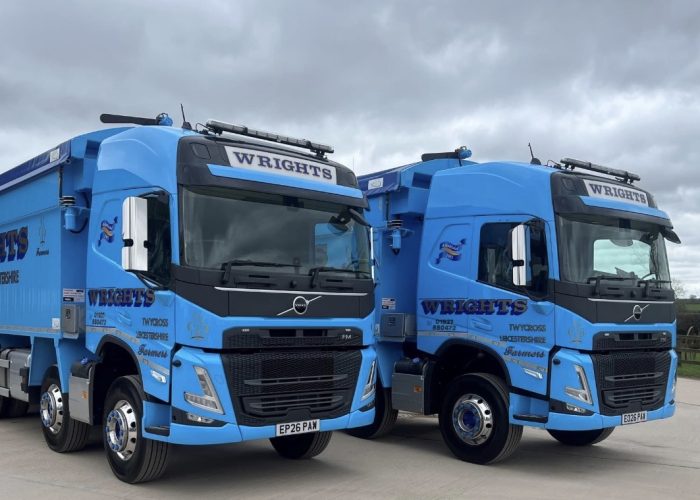
Chosen by Peter and Jean (in1966!) the distinctive light and royal blue colours, originally paired with gold leaf signwriting, have become a lasting symbol of the brand.
A pivotal turning point came in 1973, when the business diversified into the handling and application of treated sludge. This step marked the beginning of a new chapter, expanding the company’s capabilities and setting the direction for future growth. Peter and Jean had become pioneers of diversification in the farming world.
While the business continued to evolve, its agricultural roots remained strong in both dairy farming and arable farming before eventually transitioning away from livestock in 1996 to focus on core operations.
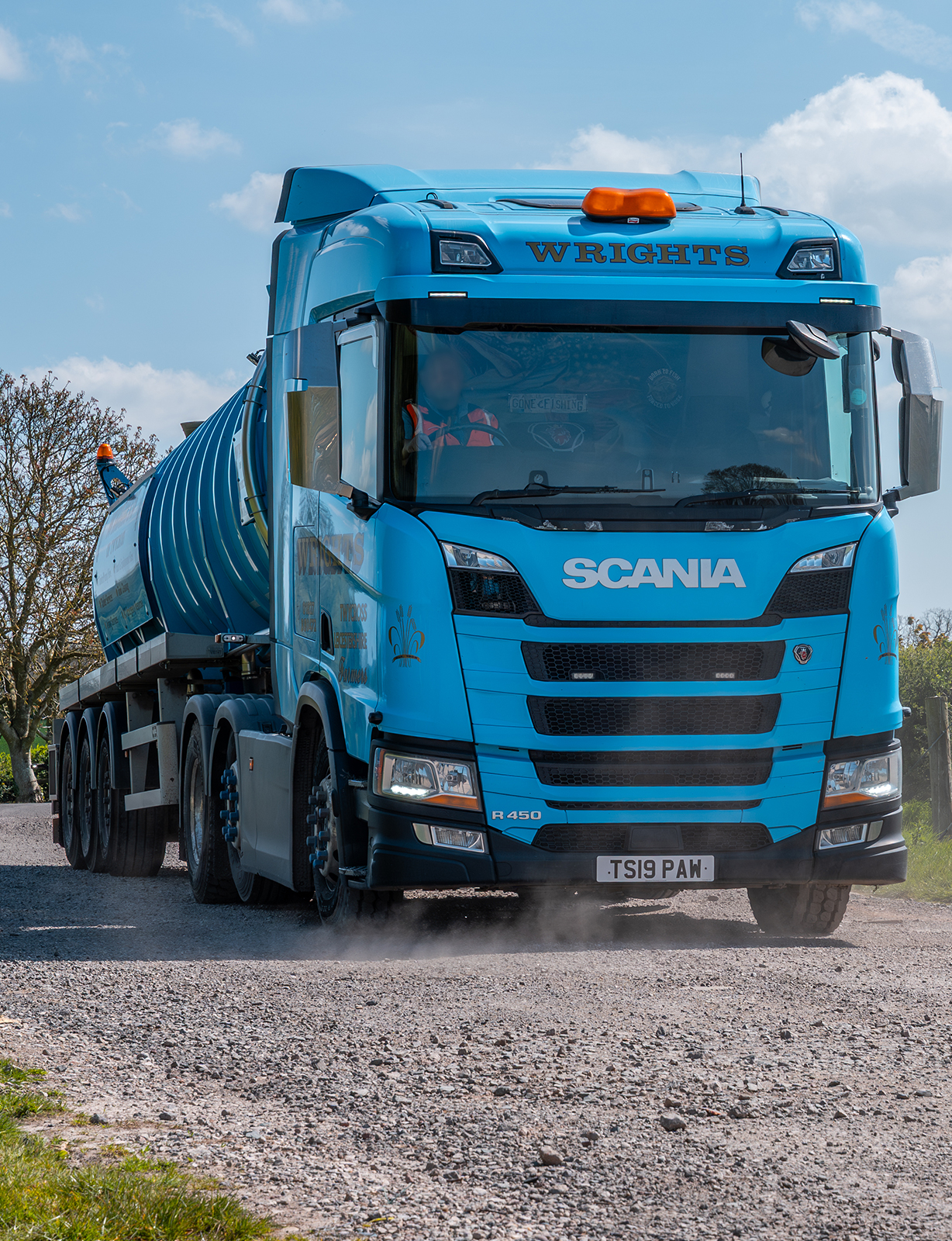
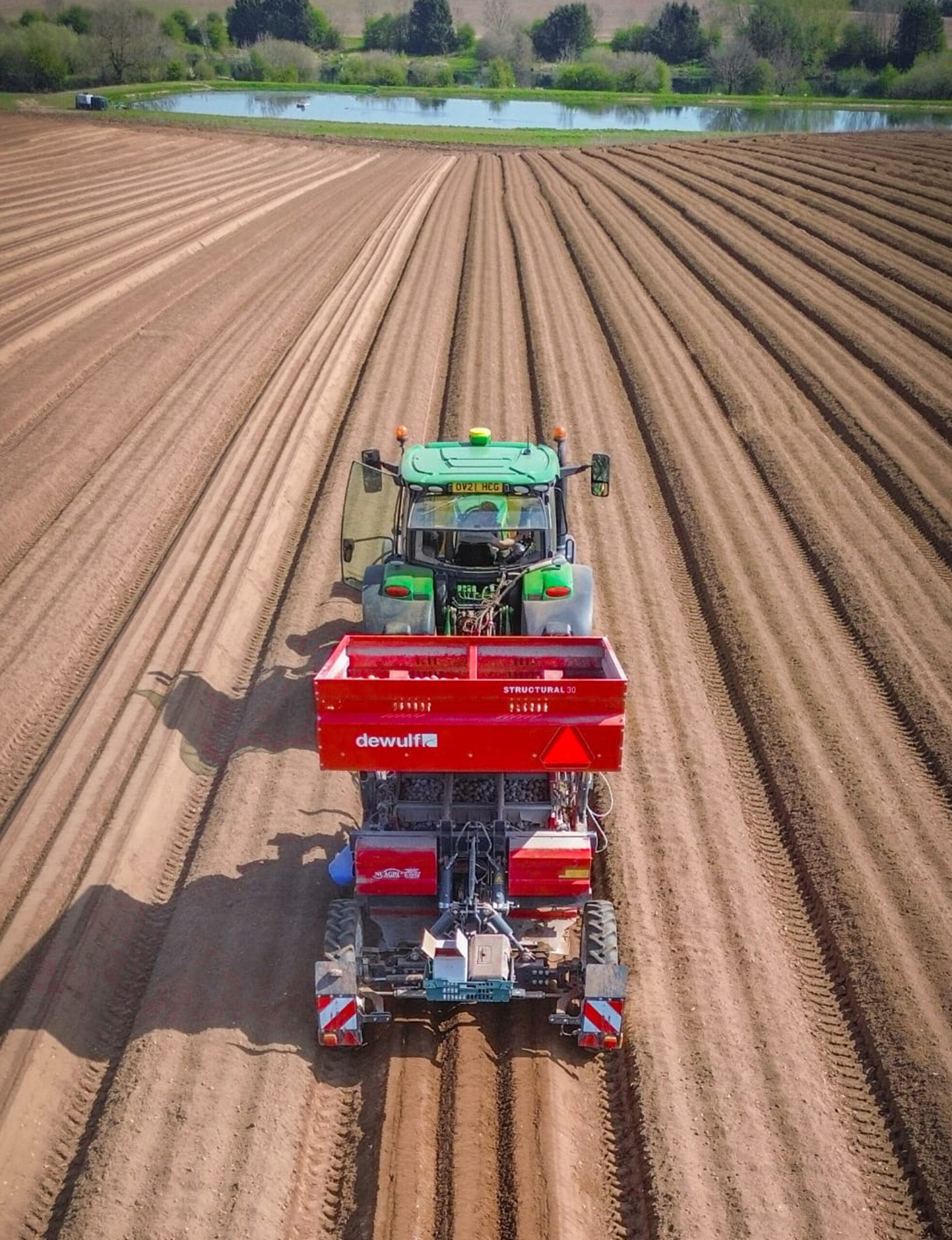
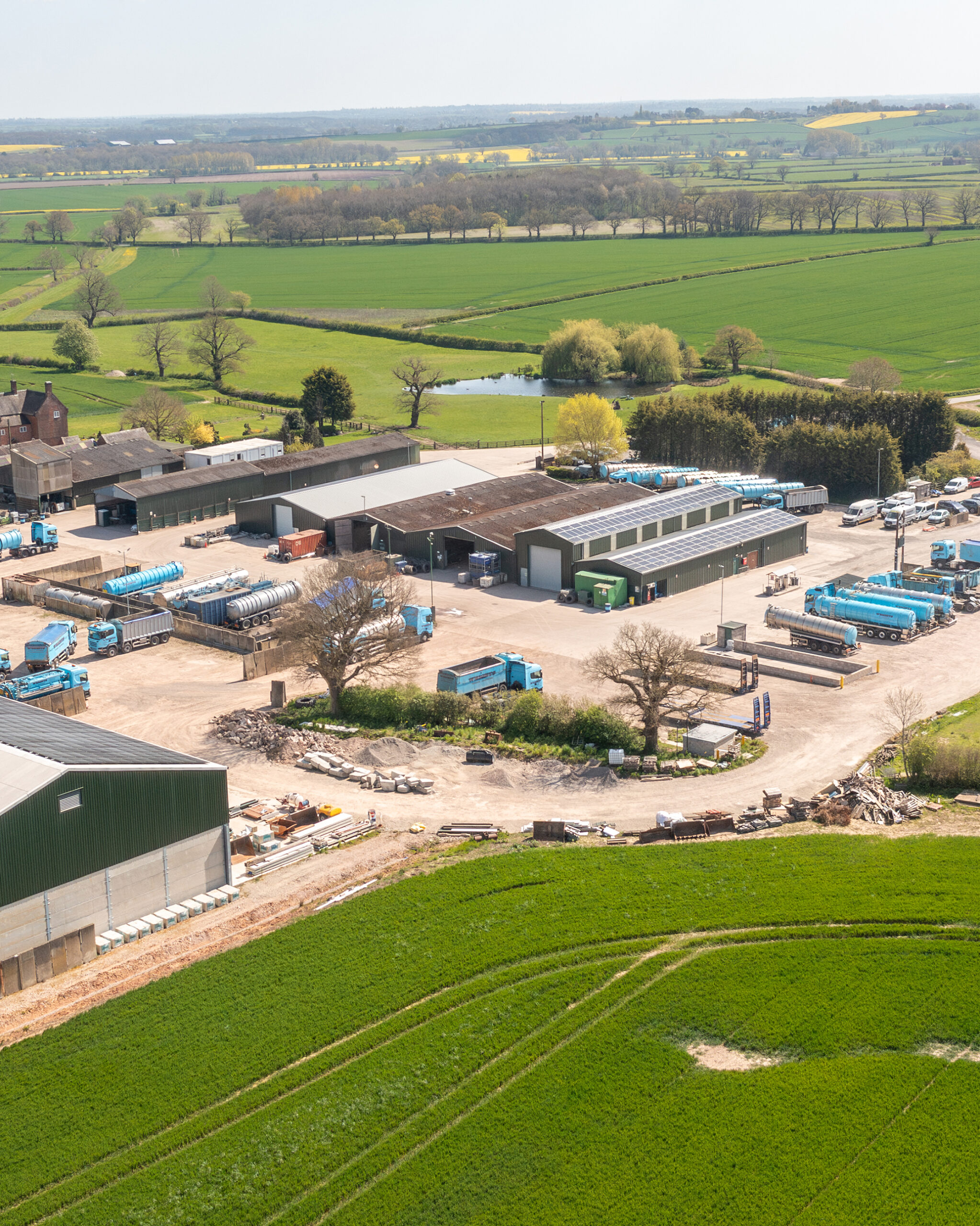
This significant investment marked a period of rapid expansion and signalled the company’s emergence as a leading operator in it’s field.
Today, the business continues to build on its proud heritage, combining decades of experience with a forward-thinking approach. Farming remains a key part of our identity;
our commercial, our operations have grown to encompass a broader range of services, supported by an experienced, dedicated team with a commitment to quality that has been passed down through generations.
From humble beginnings to a thriving, modern enterprise, our journey is one of hard work, resilience, and continuous growth — and we are proud to carry that legacy into the future.